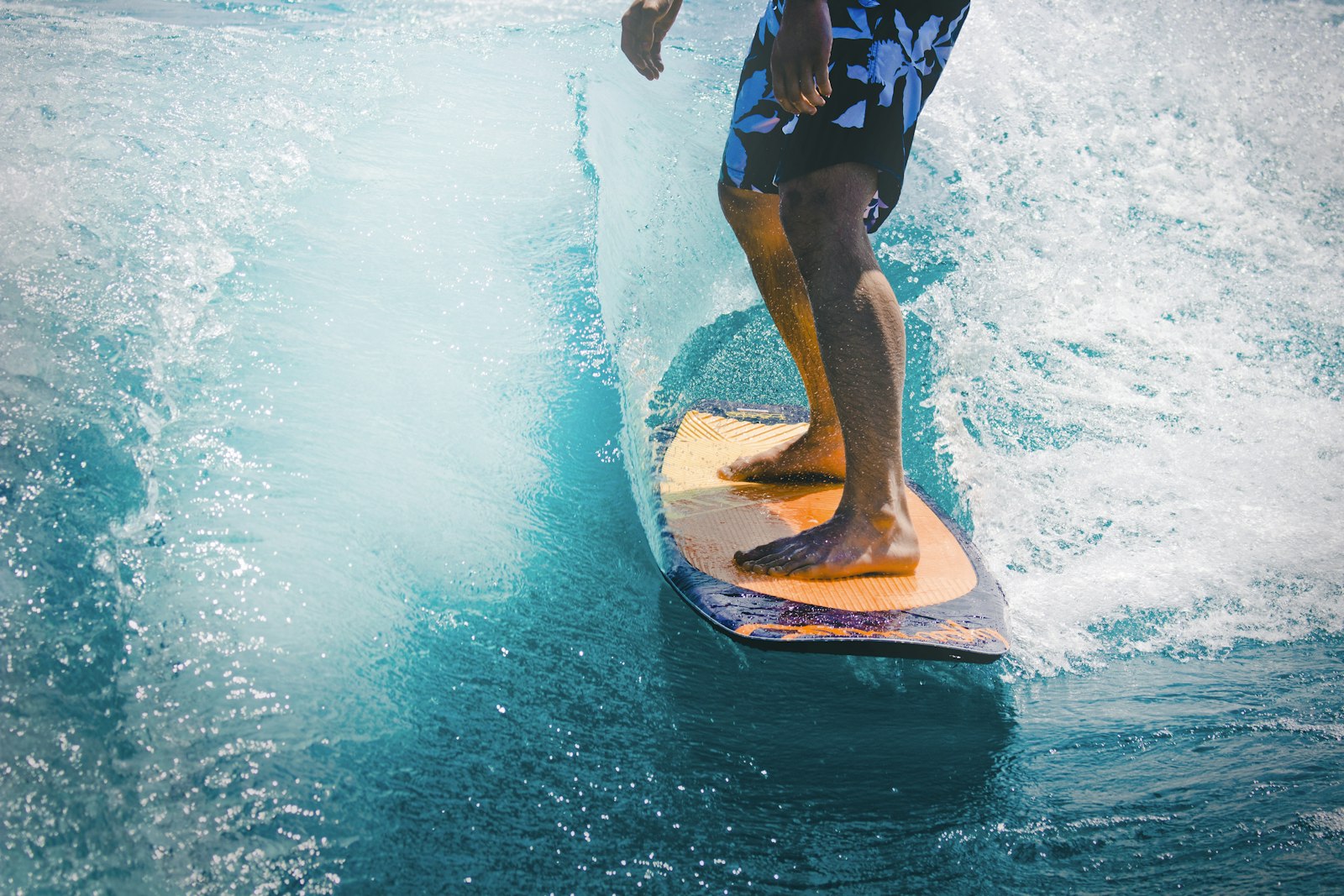
Spring Surfing Conditions on the North Shore: What to Expect
When winter's massive swells fade, the North Shore doesn't become easy—just more accessible. Here's what spring conditions bring and how to approach them with respect.
The North Shore earns its reputation in winter—when forty-foot swells shut down Pipeline and only the most committed professionals paddle out at Waimea. But spring tells a different story. Come April, the swell energy shifts. The parking lots at Sunset Beach aren't empty, but they're navigable. The lineup at Haleiwa doesn't require years of wave hierarchy understanding to access.
And the ocean, while still powerful, becomes approachable for surfers who spent winter watching from shore.
This is when the North Shore opens its doors wider—not to beginners, but to competent surfers who know their limits and respect the reef. Spring conditions on the North Shore aren't small or soft. They're just... possible.
The Swell Transition: What Changes in Spring
Winter's massive North Pacific swells—generated by storms thousands of miles away near Alaska and the Aleutian Islands—begin fading by late March. Spring brings a dramatic shift: swell direction moves more westerly, wave period shortens, and average face heights drop from the terrifying to the merely intimidating.
Expect wave faces in the 3-6 foot range most days, with occasional 8-10 foot sets when strong spring storms push through the Pacific. These are Hawaiian measurements—double them for mainland scale if you're trying to explain to friends back home. A "small" 4-foot North Shore day is still overhead by most standards.
The character of the waves changes too. Winter swells arrive with long period (15-20 seconds between waves) that loads reefs with massive energy. Spring swells typically show 10-14 second intervals—still substantial, but less powerful, less critical, with more room for error. Waves break with slightly softer lips, slightly less consequence for mistakes. Slightly.
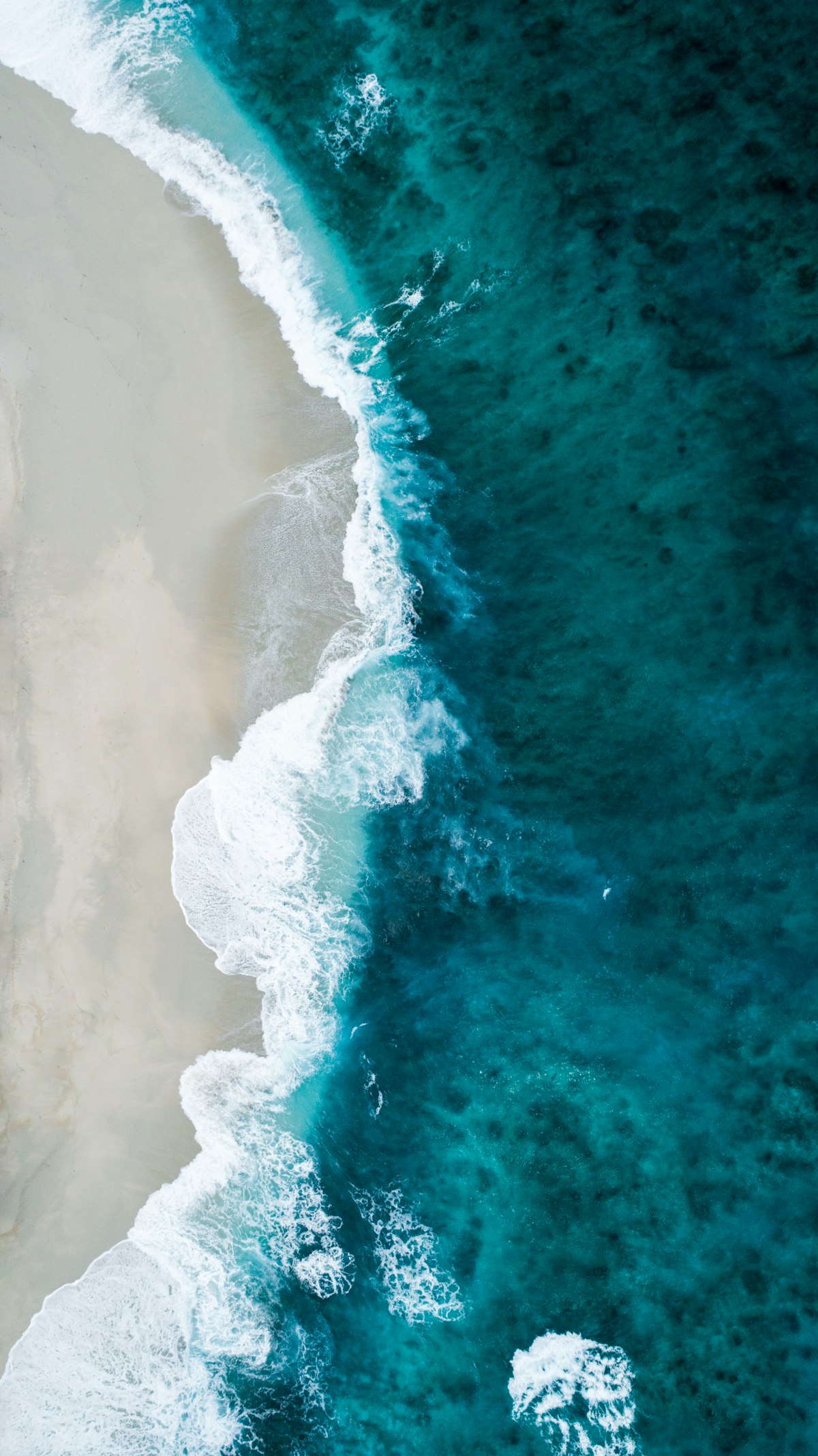
Wind Patterns: The Trade Winds Return
Winter brings variable winds—offshore one day, onshore the next, calm mornings followed by blown-out afternoons. Spring establishes more predictable patterns as Hawaii's famous trade winds reassert themselves.
Northeast trades blow steady in spring—typically starting light in morning, building through afternoon. This creates offshore or cross-offshore conditions at many North Shore breaks, particularly on the western-facing reefs like Haleiwa and Laniakea. Morning sessions generally offer the cleanest conditions before trades strengthen.
But trades aren't guaranteed. Spring also brings occasional Kona winds from the south—onshore at most North Shore breaks, creating choppy, disorganized conditions. Check the forecast. If Kona winds are predicted, consider surfing the south shore instead, where those same winds create offshore perfection.
Water Temperature and What to Wear
North Shore water temperature bottoms out in February-March around 74-75°F. By April-May, it's climbing back toward summer's 78-80°F. This might sound warm to cold-water surfers, but spend three hours in 75-degree water and you'll understand why many locals wear spring suits.
Most North Shore regulars surf trunks only in summer (June-September). Spring conditions call for either a thin spring suit (2mm or less) for extended sessions, trunks for shorter sessions if you handle cold well, or a rashguard for sun protection regardless.
The sun matters more than temperature. Spring UV is intense, water reflects it directly onto your face and shoulders, and a three-hour session will burn exposed skin badly without protection. Reef rash is real, reef cuts get infected easily, and sun damage accumulates. Cover up.
Best Breaks for Spring Conditions
Spring democratizes the North Shore somewhat—breaks that run heavy and dangerous in winter become accessible (though never casual) in smaller swells.
Haleiwa: The most forgiving North Shore break, Haleiwa works year-round and shines in spring. Rights offer long walls perfect for practicing turns. Lefts bowl up nicely on the right tide. Still crowded, still requires respect and awareness, but manageable for solid intermediate surfers.
Laniakea: The break near the sea turtle beach handles spring swells well. It's less intense than Pipeline, more consistent than Off the Wall, with a mix of peaks and sections that reward different approaches.
Rockies/Puaena Point: Smaller, more protected breaks on the west end work well in moderate swells. Less crowd pressure than the famous breaks, but still requires competence.
What to Avoid: Pipeline, Backdoor, and similar heavy reef breaks don't "turn off" in spring—they just break less frequently. When they do break, they're still consequential. If you wouldn't surf them in winter, don't surf them in spring just because the swell dropped.

The Crowd Factor
Smaller swells don't mean smaller crowds. Spring brings visiting surfers who timed their trips to avoid winter's extremes, locals enjoying accessible conditions after months of intimidating surf, surf schools and lessons at beginner breaks, and film crews and photographers capitalizing on good weather.
Expect competition for waves, but less aggressive vibe than winter's territorial enforcement. Wave hierarchy still exists—locals get priority, followed by regulars, then visitors. But spring's increased wave count means more opportunities for everyone.
Arrive early. Dawn patrol sessions offer fewer surfers, cleaner conditions before trades build, and cooler temperatures. By 9 AM, parking lots fill and lineups crowd.
Practical Considerations
Reef Awareness: Spring's smaller swells expose reefs more during low tides. That six-foot winter wave covered sharp coral with plenty of water. The three-foot spring wave might leave one foot of water over the same reef. Respect tide charts. Don't surf shallow reefs at low tide.
Current and Paddle: Spring conditions generally mean easier paddling—less water moving, less energy in the system, less current to fight. But "easier" doesn't mean "easy." You still need fitness to paddle out through sets and position yourself properly.
Equipment: Boards that work in 10-foot winter surf feel sluggish in 4-foot spring conditions. Consider shorter, lower-volume boards that turn easier in weaker waves. Ask local shapers about spring quivers—they'll guide you toward appropriate designs.
The Spring Mindset
The North Shore never stops being the North Shore. Spring conditions are smaller, not small. More accessible, not accessible. Less dangerous, not safe.
Approach spring sessions with appropriate respect. Check conditions before paddling out. Watch sets from shore for 10-15 minutes, noting where waves break, where channels run, how the reef works. Talk to locals if you have questions—most appreciate respectful inquiries over dangerous assumptions.
And remember: the ocean doesn't care about your schedule. If conditions look beyond your ability, they probably are. There's no shame in watching from shore. There's only shame in paddling out unprepared and needing rescue.
Spring on the North Shore rewards competence, humility, and patience. Bring all three. Leave the bravado in the parking lot. The ocean will teach the lessons. Whether they're gentle lessons or harsh ones depends entirely on how well you listen.