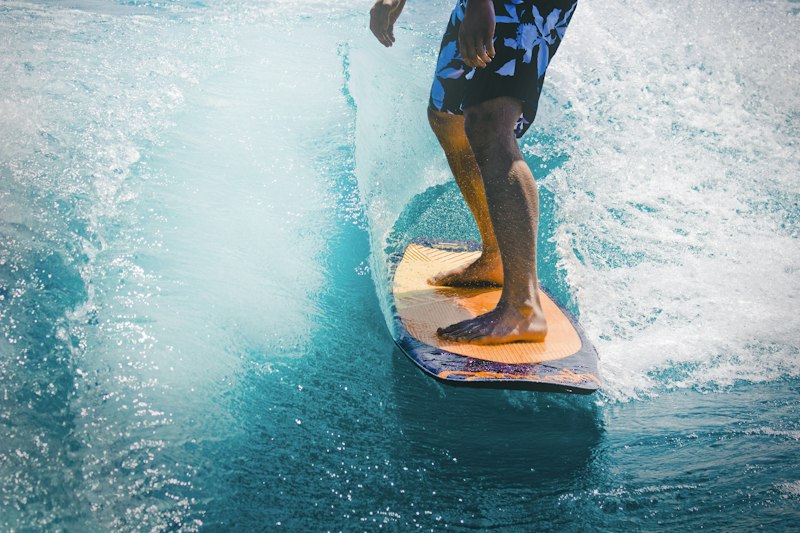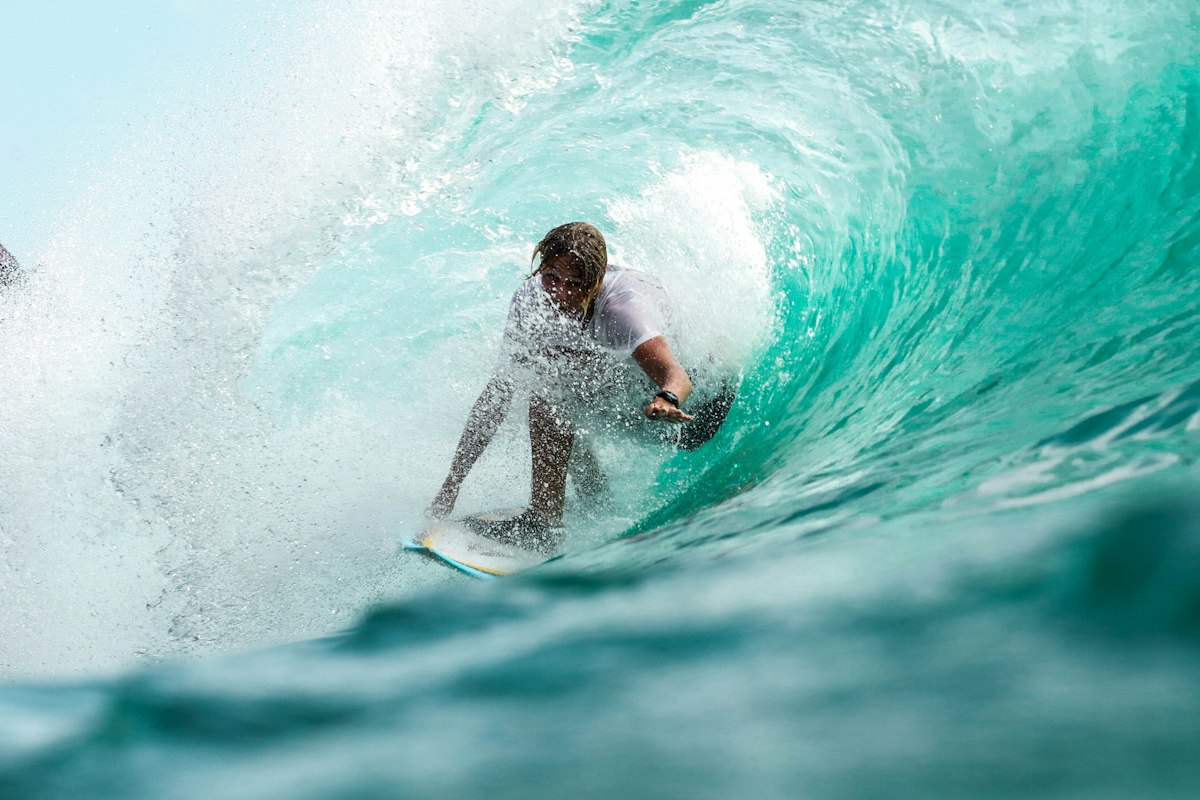
Marcus sits on his board at Haleiwa, waiting for the next set. He's been coming here every Tuesday and Thursday for six months now, part of a surf therapy program for veterans dealing with PTSD. The water is glassy. The morning is quiet. For the first time in years, his hands aren't shaking. "The ocean doesn't care about your rank or your trauma," he says, watching the horizon. "It just asks if you're ready to paddle." Across Hawaii and the mainland, surf therapy for PTSD is transforming how veterans approach mental health treatment. What began as informal gatherings of vets who found peace in the water has evolved into structured veterans surf programs in Hawaii that combine evidence-based therapy with ocean immersion. The results challenge everything we thought we knew about treating combat trauma.
The Problem: When Traditional Treatment Isn't Enough
Post-traumatic stress disorder affects roughly 11-20% of veterans who served in Iraq and Afghanistan. Traditional treatment—medication and talk therapy—helps many. But for some veterans, sitting in an office discussing trauma feels impossible. The clinical setting itself triggers anxiety. The medications numb everything, not just the pain.
This is where alternative therapies enter. Not as replacements for clinical treatment, but as complementary approaches that engage the body and nervous system in ways talk therapy cannot. Surf therapy sits at this intersection—combining physical activity, natural environment exposure, mindfulness practice, and community support.
The ocean offers something therapy rooms don't: immediate feedback. When you're paddling through whitewater, you can't dissociate. You can't get lost in your head. You're forced into the present moment—which is exactly where trauma healing begins.
How Surf Therapy Works: More Than Just Getting Wet
Surf therapy programs for veterans typically run 6-8 weeks, meeting twice weekly for 2-3 hour sessions. Participants start with beach instruction—surf safety, ocean awareness, board basics. Then they paddle out with instructors who are often veterans themselves.
But this isn't a surf lesson. It's therapy that happens to take place in the ocean.
Nervous System Regulation: Cold water immersion activates the parasympathetic nervous system—the "rest and digest" response that counteracts fight-or-flight. For veterans whose nervous systems are stuck in hypervigilance, this physiological shift is profound. The water literally helps their bodies remember how to calm down.
Interoceptive Awareness: Surfing requires constant attention to internal body signals—balance, breath, muscle tension. This builds interoceptive awareness—the ability to sense what's happening inside your body. Many trauma survivors have disconnected from their bodies as a protective mechanism. Surfing reconnects that link.
Mastery and Self-Efficacy: Standing up on a wave—even a small one—provides immediate, undeniable proof of competence. For veterans struggling with feelings of helplessness or failure, these moments of mastery rebuild self-efficacy: the belief that you can handle challenges.
Community Without Words: The surf lineup creates a natural community. Veterans sit together, waiting for waves, not forced to talk but present with each other. Sometimes the most healing conversations happen after a session, rinsing boards and telling wave stories. The shared experience creates bonds that formal therapy groups often can't replicate.
Exposure in a Safe Context: The ocean presents unpredictable, sometimes scary situations—getting held under, larger sets rolling in, navigating crowds. But unlike combat, these challenges are manageable and end quickly. Surf therapy provides controlled exposure to uncertainty, helping veterans practice tolerating discomfort without spiraling into panic.

The Science: What Research Shows
The research base for surf therapy is growing. A 2017 study published in the American Journal of Health Promotion found that a one-week surf therapy camp reduced PTSD symptoms in active duty service members by 27%. A 2020 study showed sustained improvements in anxiety, depression, and sleep quality three months after program completion.
Neuroimaging studies suggest that intense physical activity in natural environments activates brain regions associated with reward and positive emotion while decreasing activity in the amygdala—the brain's fear center. The combination of exercise, cold water, natural light, and rhythmic movement may trigger neuroplastic changes that talk therapy alone cannot achieve.
But the most compelling evidence isn't in journal articles—it's in retention rates. Traditional PTSD treatment has dropout rates around 30-40%. Veterans start therapy and quit when it becomes overwhelming. Surf therapy programs report retention rates above 85%. Veterans keep showing up. That consistency itself becomes therapeutic.
North Shore Programs: Where Veterans Heal
Several organizations run veterans surf therapy programs on Oahu's North Shore:
AccesSurf Hawaii offers adaptive surfing programs including veteran-specific sessions. Their certified instructors—many of whom are veterans—provide one-on-one support and modified equipment for veterans with physical disabilities.
Wounded Warrior Project partners with local surf schools for periodic North Shore retreats, combining surf therapy with peer support groups and family activities.
Veterans in Progress (VIP Hawaii) runs regular surf sessions at Haleiwa and Sunset Beach specifically for combat veterans. The program is peer-led—veterans teaching veterans—which builds trust and understanding in ways professional therapists sometimes can't.
Local surf shops and shapers also contribute. Several North Shore shapers donate boards to veteran programs. Surf instructors volunteer time. The North Shore surf community—which knows something about confronting fear and pushing through discomfort—has embraced veteran surf therapy as a form of mālama (caring for) those who served.
Real Stories: What Veterans Say
Marcus, the veteran mentioned earlier, served three tours in Afghanistan. Back home, he struggled with hypervigilance, insomnia, and panic attacks. Medication helped but left him feeling "flattened." A fellow veteran invited him to a North Shore surf session.
"First day, I couldn't even paddle out past the break. Kept getting worked by whitewater. But nobody judged. They just said, 'Come back Thursday.' So I did." Six months later, Marcus surfs regularly, has reduced his medication (with his doctor's guidance), and volunteers as a peer mentor for new participants.
Sarah, a Navy veteran, found that surf therapy addressed her PTSD in ways talk therapy couldn't. "In therapy, we talked about my trauma. In the water, I learned I could handle being scared without falling apart. That's different. That's embodied learning."
The stories share common themes: reconnection to the body, rebuilding trust (in self and others), discovering competence, finding community. Veterans describe surf therapy not as a cure but as a tool—something they can return to when symptoms spike, a practice that grounds them.
For Veterans Considering Surf Therapy
If you're a veteran curious about surf therapy, here's what you should know:
You don't need surf experience. Most programs assume zero knowledge. Instructors teach everything from scratch.
Physical limitations aren't barriers. Adaptive equipment and specialized instruction accommodate various mobility levels, injuries, and disabilities.
It's not a replacement for clinical care. Surf therapy works best alongside traditional treatment—medication, therapy, case management. Think of it as an additional tool, not an alternative.
The first sessions might be uncomfortable. Being in the ocean, getting tumbled, feeling out of control—these can trigger anxiety. That's normal. The key is having trained instructors who understand trauma responses and can help you work through them safely.
Community matters as much as waves. Many veterans say the relationships built through surf therapy were as healing as the surfing itself. Show up consistently. Talk to other participants. Let the community form.
Transportation and cost shouldn't stop you. Many programs offer free participation, equipment, and even transportation assistance. Ask about resources when you contact programs.
How Surf Therapy Fits the Broader Movement
Surf therapy for veterans is part of a larger shift in trauma treatment: recognizing that healing isn't just cognitive—it's embodied, relational, and environmental. The ocean provides elements that clinical settings cannot: unpredictability that builds resilience, physical challenge that restores agency, natural beauty that counters the ugliness of combat, and a community bound by shared experience.
The North Shore, with its powerful waves and tight-knit surf culture, offers an ideal environment for this work. Veterans who come here for surf therapy often stay connected to the community long after programs end. They become regulars at certain breaks. They mentor newer participants. They integrate into the rhythm of North Shore life.
This integration itself is therapeutic. Combat often leaves veterans feeling disconnected from civilian society. Surf culture offers an alternative community—one that values courage, respects hierarchy earned through experience, and understands that fear and risk are part of growth. Veterans find they fit here in ways they don't fit elsewhere.
Beyond the Individual: Families and Community
Many North Shore surf therapy programs include family members. Spouses, children, and parents participate in beginner sessions, learning to surf alongside their veteran. This shared experience opens communication that formal family therapy sometimes can't.
Watching your dad catch a wave—seeing him laugh, seeing him competent and joyful—shifts something for kids who've only known their parent as struggling. Partners report that after surf sessions, their veteran spouse is more present, less reactive, more able to engage.
The broader community benefits too. When civilians volunteer with veteran surf programs—helping carry boards, providing transport, offering encouragement—they connect with veterans in ways that bridge the civilian-military divide. The ocean becomes common ground where rank and service history matter less than whether you made that last wave.
The Water Remembers Nothing
There's a saying among veteran surfers: "The water remembers nothing." Each wave is new. Your rank doesn't matter. Your combat history doesn't give you priority in the lineup. You start fresh every session.
For veterans carrying the weight of what they've seen and done, this forgetting is a gift. The ocean doesn't judge. It doesn't ask questions. It just offers waves—and the chance to meet them with whatever you've got that day.
That's what Marcus found, sitting at Haleiwa on a Tuesday morning, waiting for the next set. Not a cure for his trauma. Not an escape from his memories. Just a practice that returns him to his body, connects him to community, and proves—wave after wave—that he can still handle being afraid. And sometimes, that's everything.